Advanced Analysis of Mining 4WD Forklift Water Wading Depth Capabilities
2025-09-05 03:10:31
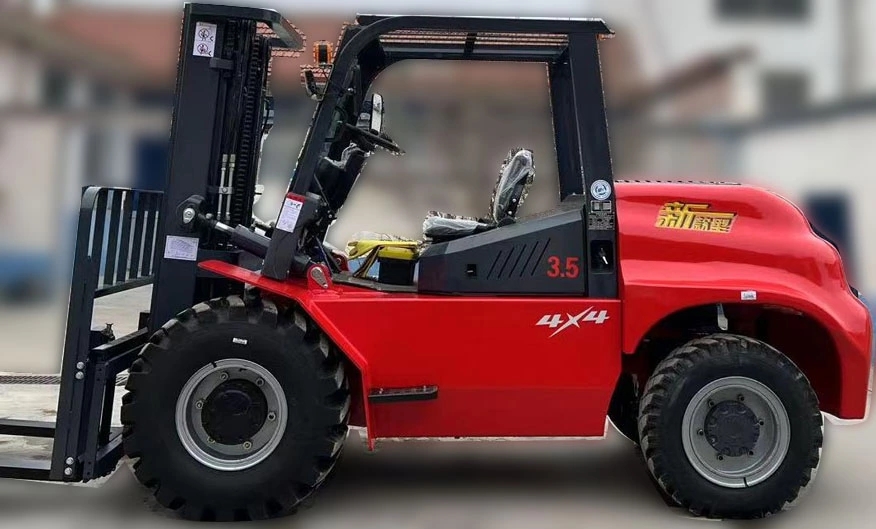
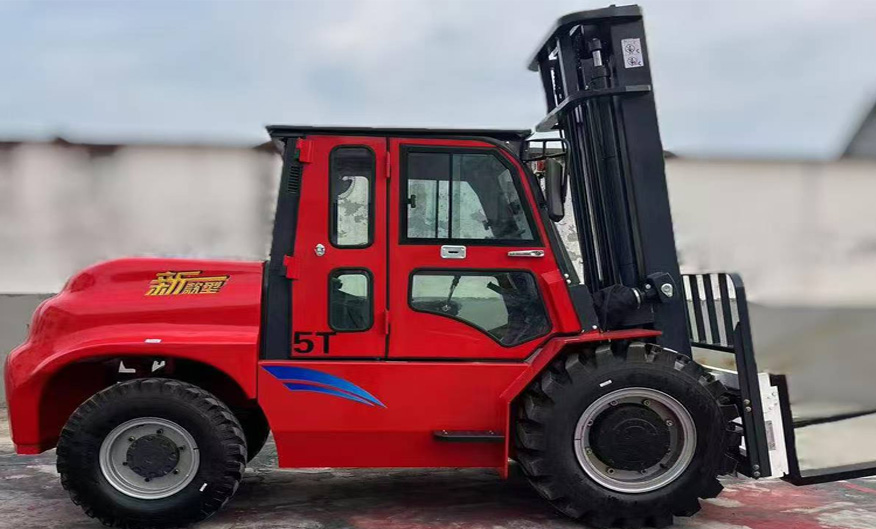
The mining industry demands robust material handling equipment capable of operating in extreme environments, including flooded terrains and temporary water obstacles. A key performance indicator for 4WD forklift units in such settings is their water wading depth—the maximum depth of water through which the vehicle can traverse without compromising functionality or safety. Engineering standards for mining equipment often specify a minimum wading depth of 600mm for standard models, with specialized units reaching up to 1200mm through enhanced sealing and elevated air intake systems. These specifications are critical not only for operational continuity but also for minimizing downtime in water-prone excavation sites.
Design considerations for achieving superior water wading depth in a 4WD forklift include waterproofing of electrical components, pressurized cabin systems, and corrosion-resistant materials. For instance, IP67-rated connectors protect critical circuits from immersion, while hydrostatic transmissions eliminate the risk of water ingress common in mechanical gearboxes. In mining applications, where water mixed with abrasive sediments accelerates wear, manufacturers integrate stainless steel hydraulic cylinders and polymer-coated bearings to extend service life. Field data from copper mines in Chile indicate that forklifts with 800mm wading depth reduce water-related operational delays by 40% compared to conventional models.
Performance validation involves standardized testing under ISO 20653:2013 for ingress protection, simulating real-world conditions such as sudden submersion and prolonged exposure. Recent advancements include sensor-based water depth detection systems that alert operators to hazardous conditions and automatically adjust transmission torque to prevent stalling. Industry trends show a growing emphasis on modular designs, allowing 4WD forklift configurations to be customized for specific mining tasks—whether in deep pit operations or surface stockpiles. For example, a leading OEM reported a 22% increase in client demand for units exceeding 1000mm wading depth after flooding incidents disrupted lithium extraction projects in Australia.
Operational protocols must align with engineering capabilities; exceeding recommended water wading depth can lead to engine hydro-lock or electrical failures. Training programs for mining personnel emphasize pre-operation checks of drainage plugs and seal integrity, particularly after exposure to saline or chemically contaminated water. Data from accident reports highlight that 70% of water-related forklift failures in mining sectors occur due to inadequate maintenance rather than design flaws. Thus, while a 4WD forklift may boast high wading depth ratings, its reliability hinges on disciplined adherence to manufacturer guidelines and environmental monitoring.