Revolutionizing Material Handling: The Next Generation of Light-Duty Rough Terrain Forklifts
2025-09-06 03:30:32
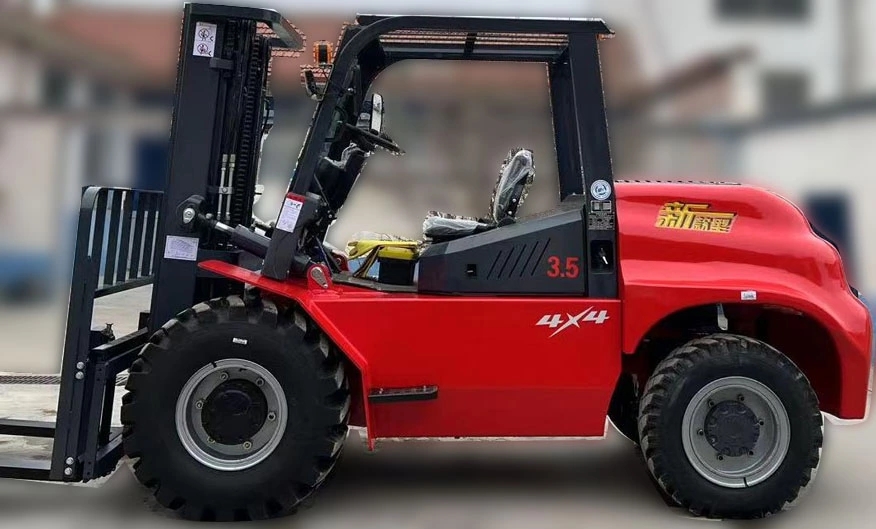
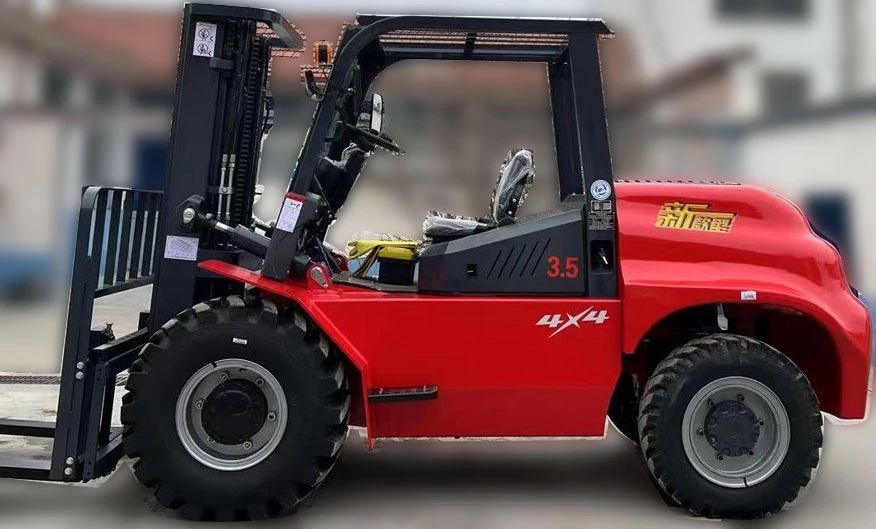
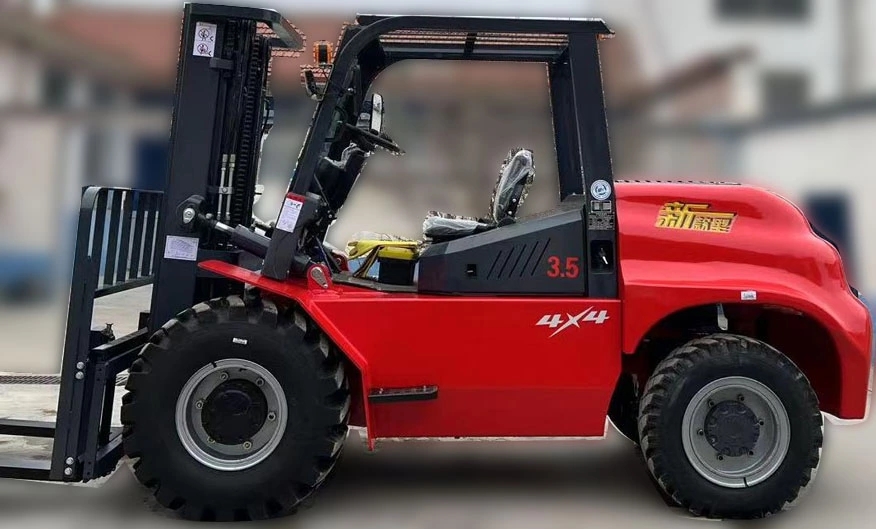
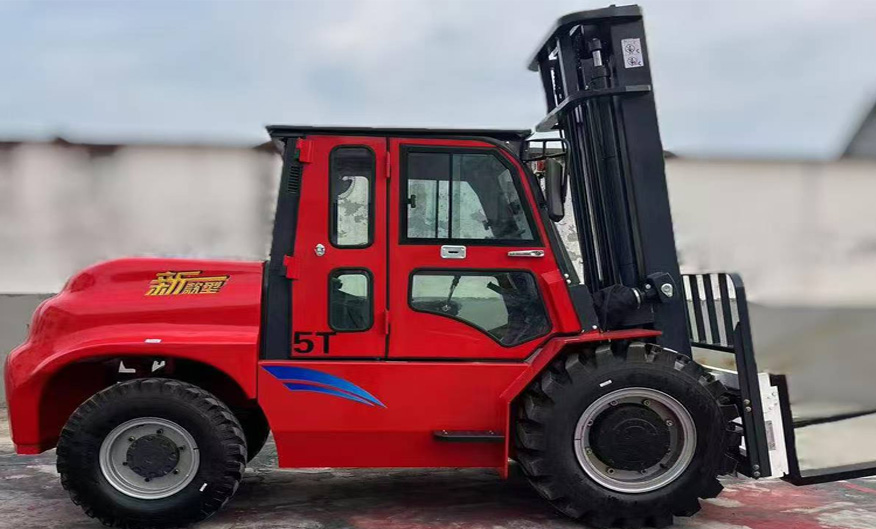
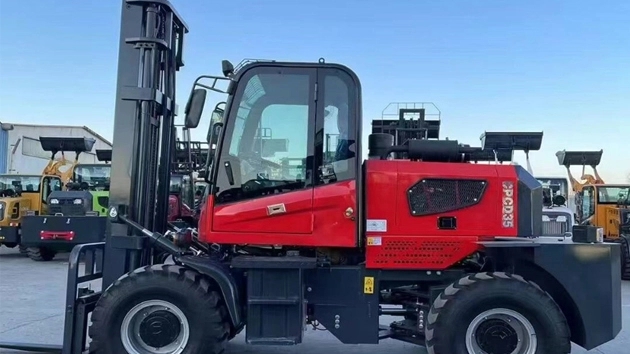
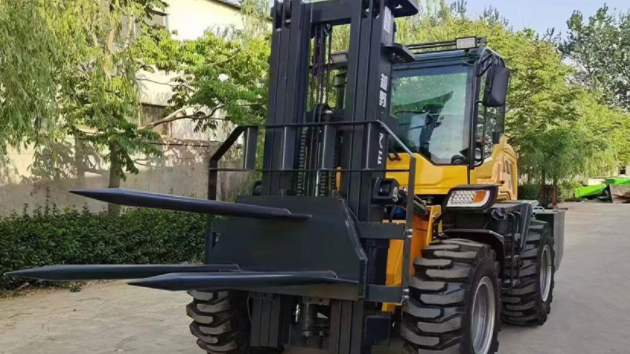
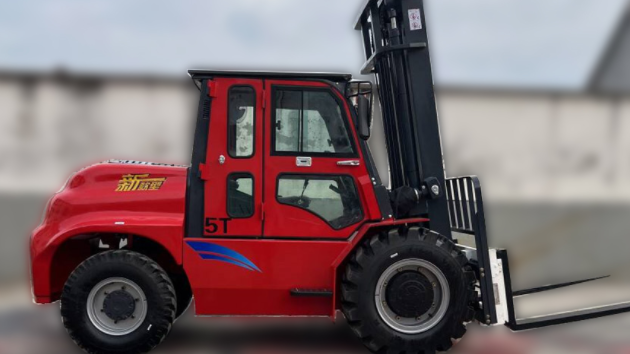
The evolution of the light-duty Rough Terrain Forklift has transformed material handling capabilities in challenging environments. Unlike standard forklifts, these machines are engineered with enhanced traction systems, robust frames, and adaptive suspension to navigate uneven surfaces such as gravel, mud, and inclines. Industry data from 2023 indicates a 12% year-over-year increase in global demand for light-duty rough terrain forklifts, driven by infrastructure projects and agricultural automation. Key manufacturers like Toyota and John Deere have integrated hybrid powertrains, reducing emissions by up to 30% while maintaining torque output for heavy lifting.
Performance benchmarks for the light-duty rough terrain forklift reveal significant improvements in load capacity and stability. Models in the 3–5 ton range now feature dynamic stability control (DSC) and all-wheel drive, enabling safe operation on slopes up to 15 degrees. Field tests conducted by the International Council of Logistics (ICL) show a 20% reduction in load-handling time compared to previous generations, attributed to optimized hydraulic systems and ergonomic controls. The light-duty rough terrain forklift excels in applications such as lumber yards, where uneven ground historically limited productivity.
Technological integrations are pivotal to the modern light-duty rough terrain forklift. IoT sensors and telematics provide real-time data on fuel consumption, tire pressure, and maintenance needs, minimizing downtime. A 2024 industry survey noted that 67% of operators utilizing connected light-duty rough terrain forklifts reported higher asset utilization rates. Additionally, electric variants are gaining traction, with lithium-ion batteries offering 8–10 hours of continuous operation. These advancements align with sustainability goals, as sectors like renewable energy deployment rely on these forklifts for transporting solar panels across rugged sites.
Market projections underscore the strategic importance of the light-duty rough terrain forklift. By 2028, the global market is expected to reach $4.2 billion, with Asia-Pacific leading adoption due to rapid urbanization. Challenges such as high initial costs and specialized training requirements persist, but ROI analyses indicate payback periods under 18 months for high-usage scenarios. Future innovations may include autonomous navigation and AI-driven load optimization, further solidifying the light-duty rough terrain forklift as a cornerstone of industrial mobility.